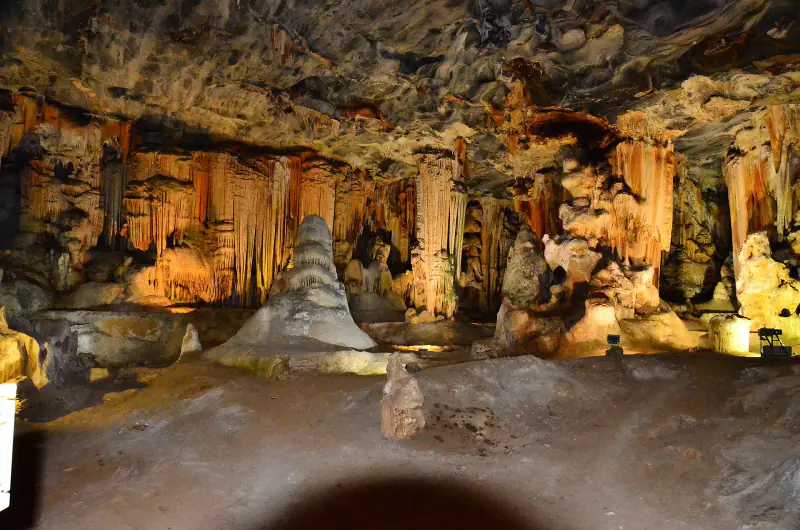
The caves of Africa
Ten caves and karst sites in eight countries, chosen because visitors can reach them and because each shows something different.
Choosing a cave
The table below compares the sites. Each has its own page.
Africa has fewer developed show caves than Europe or Asia, and they are far apart. South Africa has the most, with paths, lighting and guided tours at Cango, Sterkfontein and Echo Caves. Elsewhere a visit usually means a local guide and a torch.
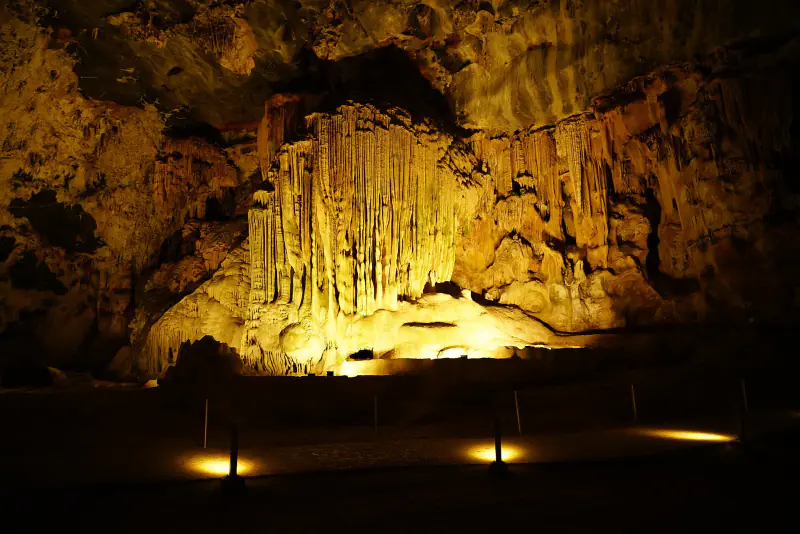
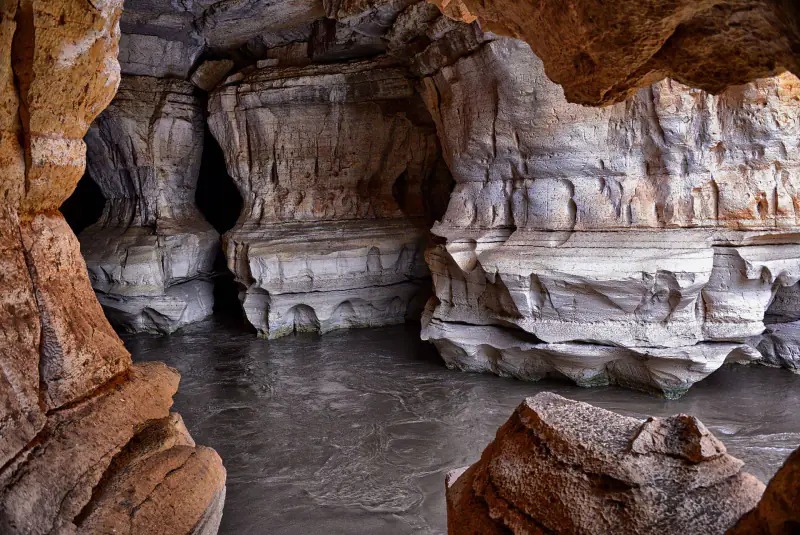
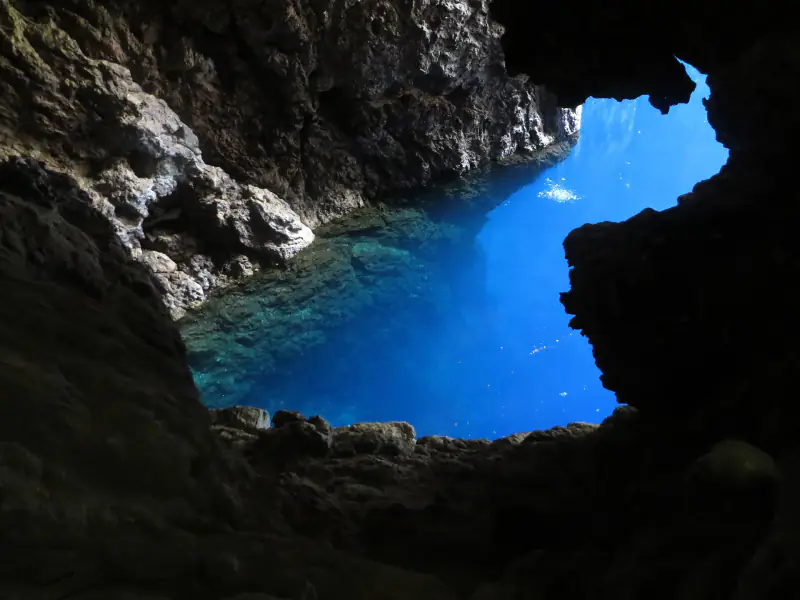
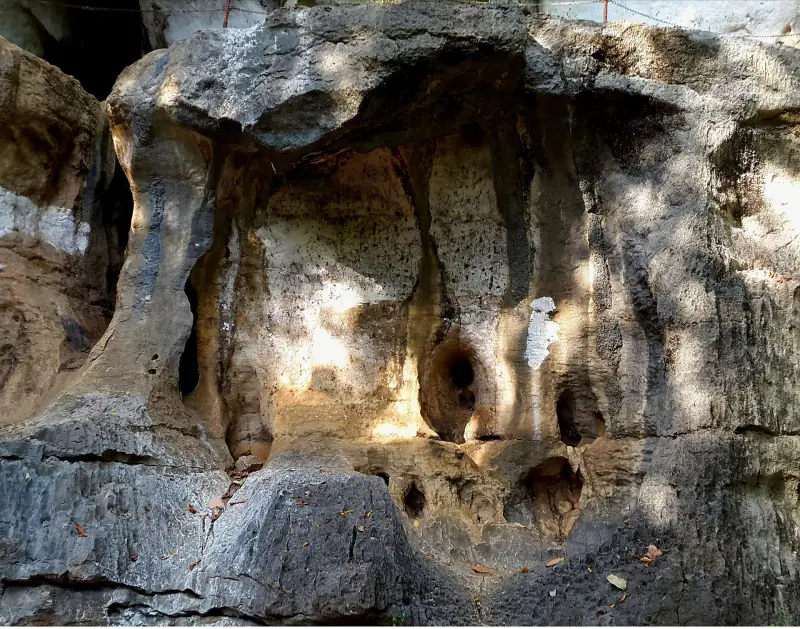
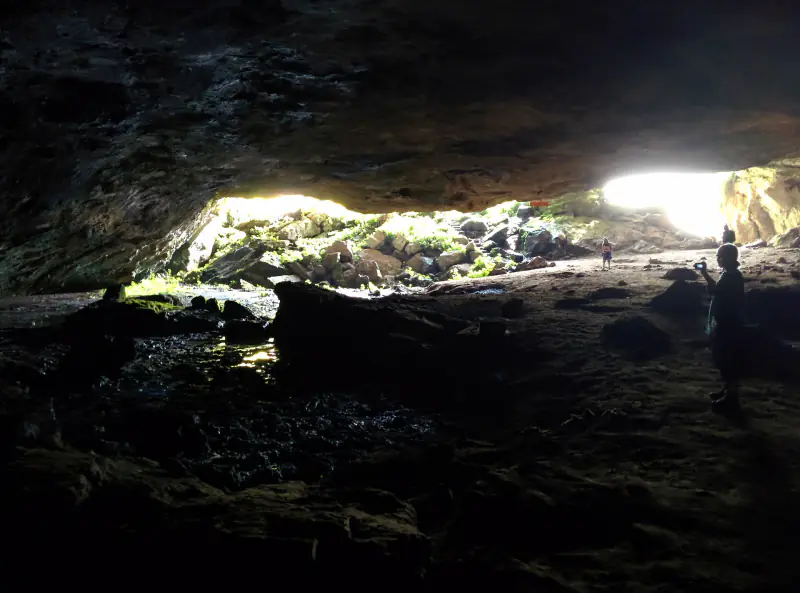
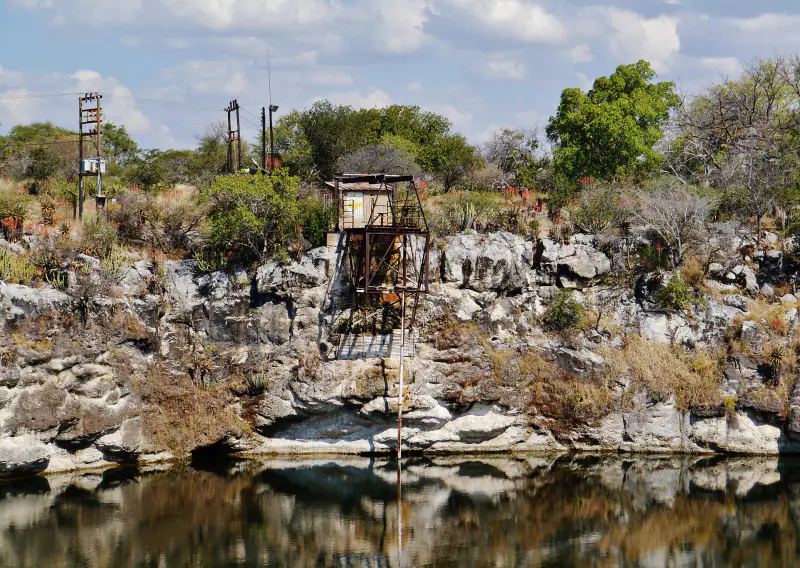
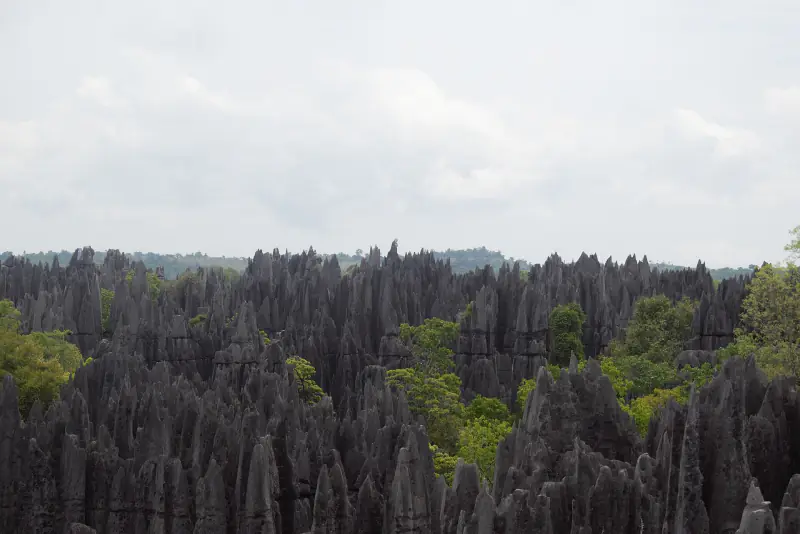
The sites differ in kind. Cango and Echo Caves are dripstone caves. Sterkfontein is a fossil site. Sof Omar is a river cave. Chinhoyi and Otjikoto are flooded sinkholes. Kitum is a cave in volcanic rock, and the Tsingy is a surface landscape with caves beneath it.
The sites side by side
| Site | Where | Known for | Season |
|---|---|---|---|
| Cango Caves | Oudtshoorn, South Africa | Van Zyl's Hall, adventure tour | All year |
| Sterkfontein Caves | Gauteng, South Africa | Mrs Ples, Little Foot | All year; check tours |
| Echo Caves | Limpopo, South Africa | Ringing stalactites | All year |
| Sof Omar Caves | Bale, Ethiopia | Weyib river, Chamber of Columns | Dry season |
| Chinhoyi Caves | Chinhoyi, Zimbabwe | Sleeping Pool | All year |
| Amboni Caves | Tanga, Tanzania | Sacred chambers, bats | All year |
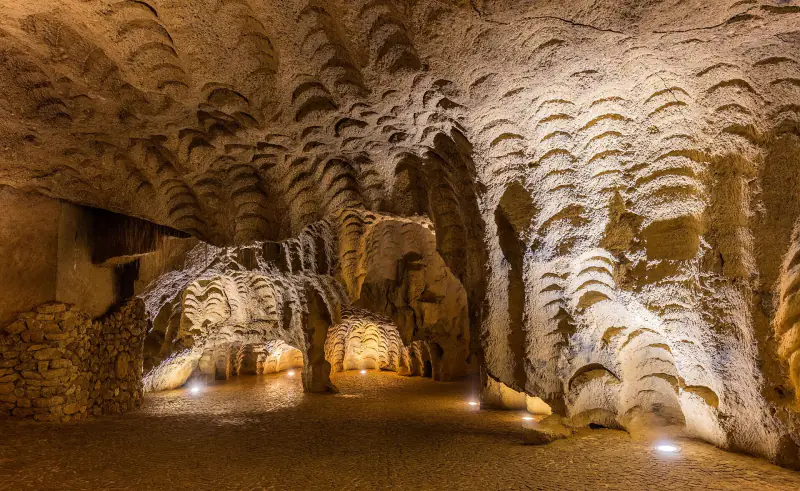
| Caves of Hercules | Cape Spartel, Morocco | Sea opening shaped like Africa | All year |
| Kitum Cave | Mount Elgon, Kenya | Salt-mining elephants | Dry seasons |
| Otjikoto Lake | Tsumeb, Namibia | Sunken weapons from 1915 | All year |
| Tsingy de Bemaraha | Western Madagascar | Limestone pinnacles, lemurs | May to November |
Going further
Wild caves need training, equipment and local knowledge.