Sinkholes & volcanic caves
Some African caves are flooded shafts, and others are in volcanic rock.
Two kinds of cave
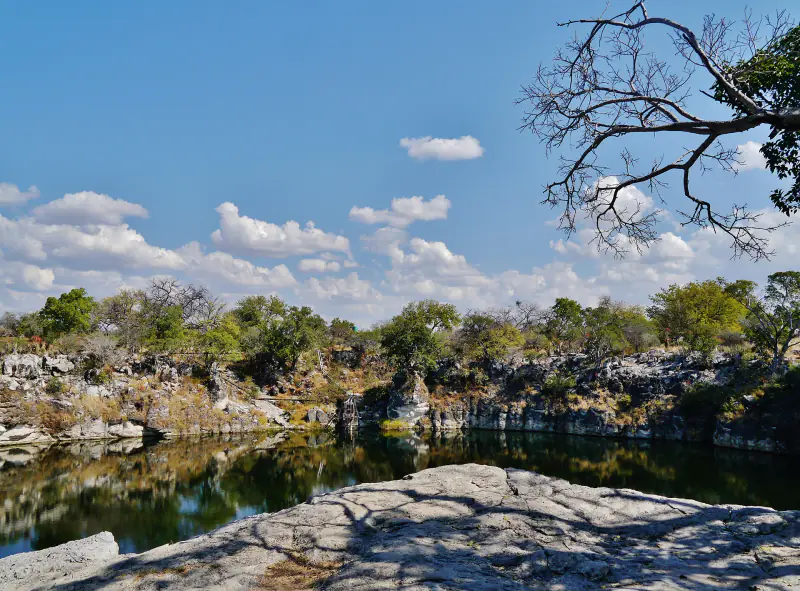
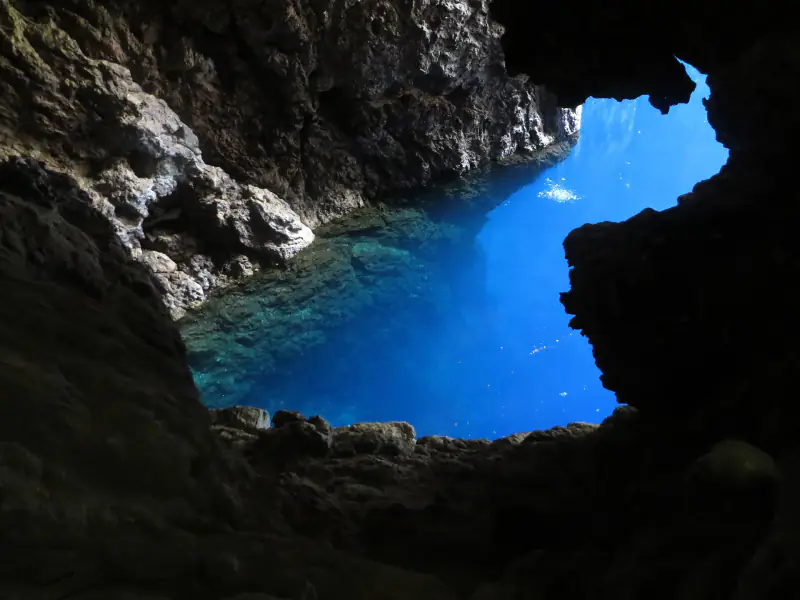
A sinkhole lake forms when the roof of a flooded cave collapses. The water in the lake is groundwater, and its level rises and falls with the water table.
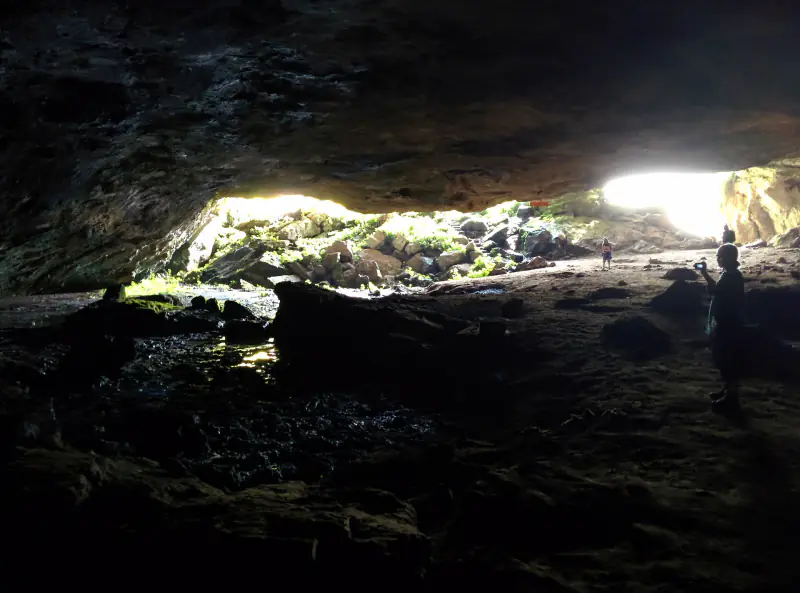
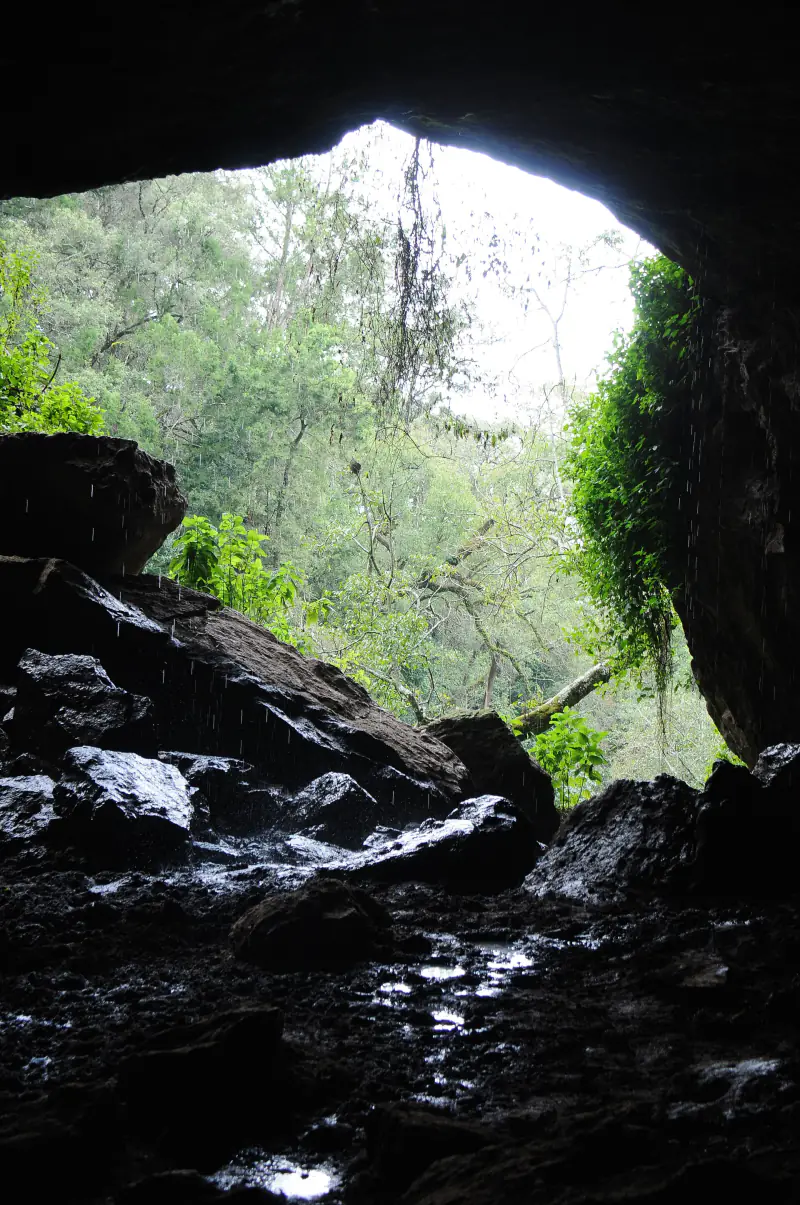
Volcanic caves form in a different way. Lava tubes are left when lava drains from under a hardened crust. Other caves, like those on Mount Elgon, are hollows in soft volcanic ash that have been enlarged by water and by animals.
Deep water
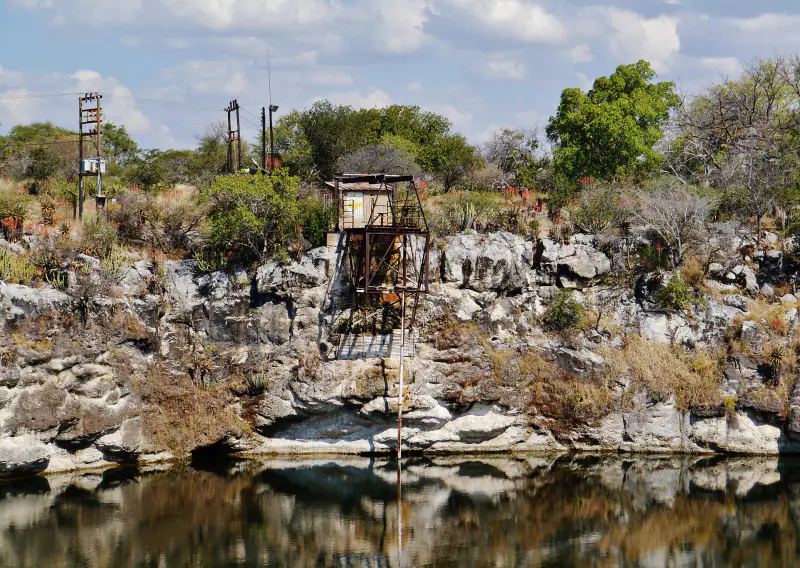
Otjikoto and Guinas in Namibia and the Sleeping Pool at Chinhoyi are the best-known sinkhole lakes. Boesmansgat in South Africa is a flooded cave more than 270 metres deep and has been used for record deep dives. Several divers have died there.
Lava tubes and ash caves
The Chyulu Hills in southern Kenya contain Leviathan Cave, one of the longest lava tubes in the world at more than 11 kilometres. Mount Suswa in the Rift Valley has lava tubes that can be visited with local guides.
The caves of Mount Elgon are in ash and agglomerate.