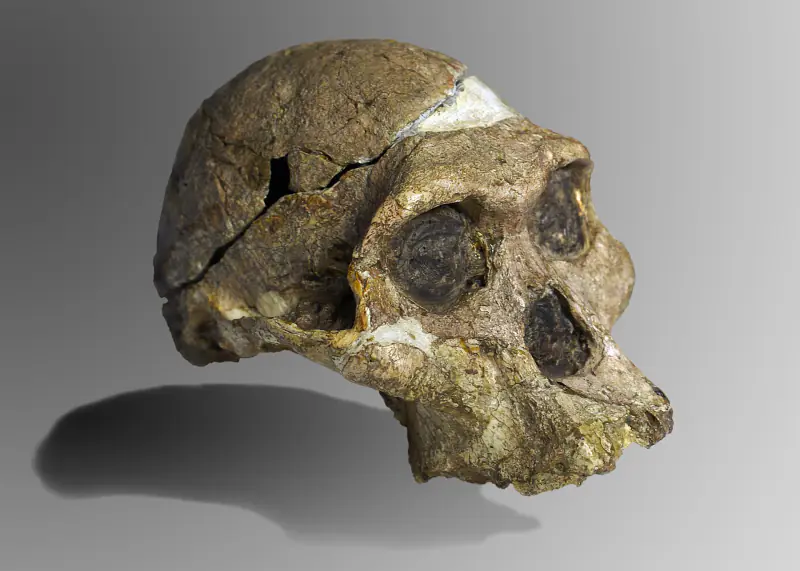
Human origins
South African caves have produced a century of hominin fossil finds.
Why the fossils are in caves
Bones on the open ground are scattered and destroyed within years. In the dolomite caves near Johannesburg, bones fell or were washed down shafts and were then cemented into hard breccia, which protected them for millions of years.
Some animals and hominins fell in. Others were carried in by leopards and other predators, or washed in by floods.
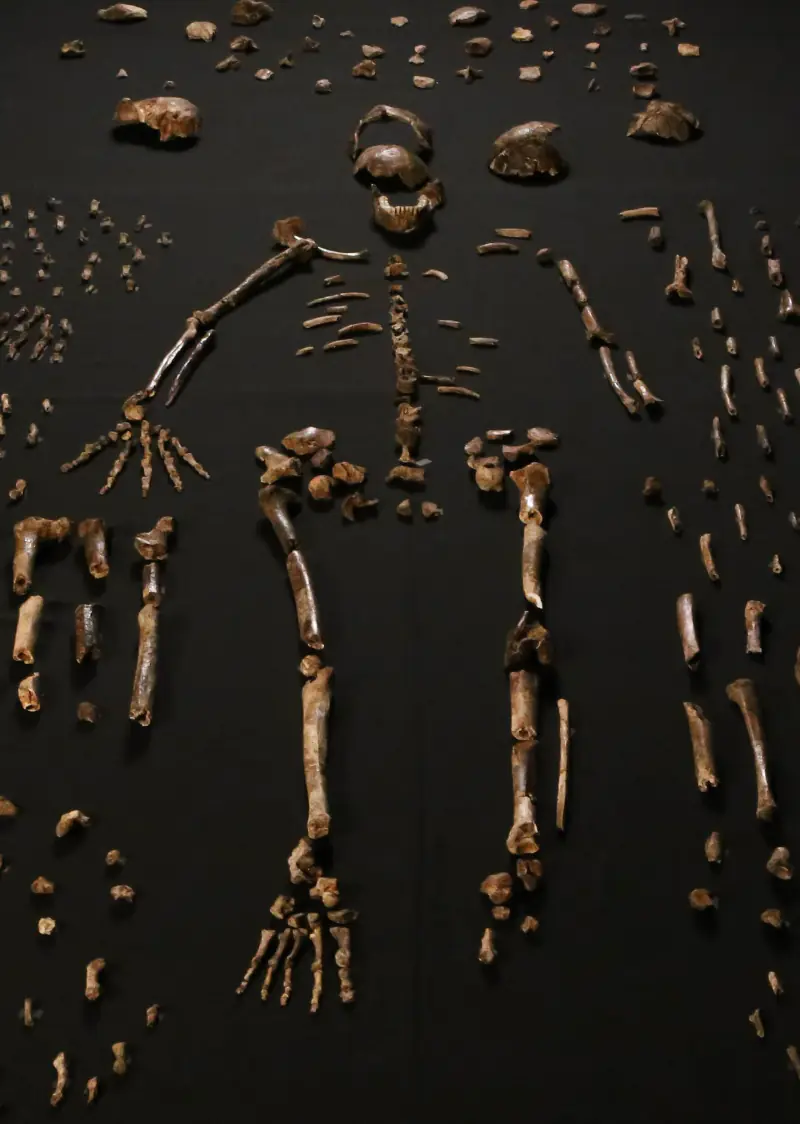
Homo naledi
The Dinaledi Chamber of the Rising Star cave is reached through a slot about 18 centimetres wide. The excavation team was chosen partly for small body size. The bones belong to at least 15 individuals and are between about 236,000 and 335,000 years old.
How the bodies got into the chamber is still debated.
A century of finds
- 1924
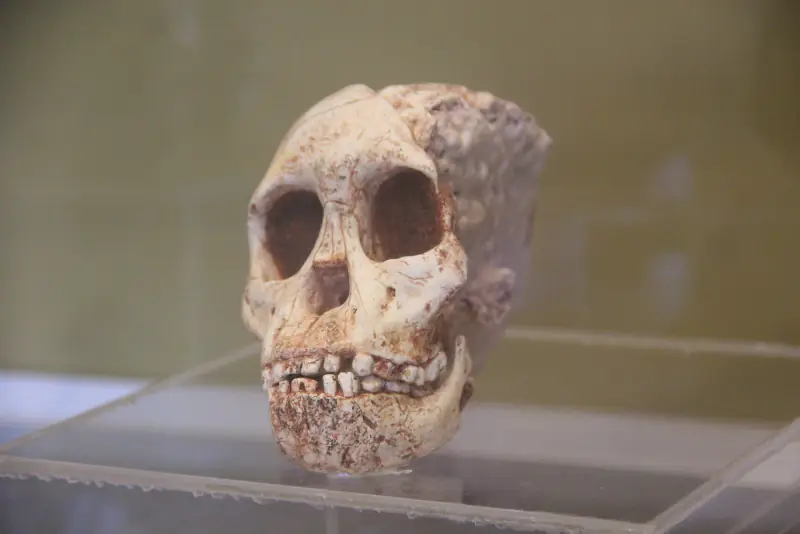
The Taung Child
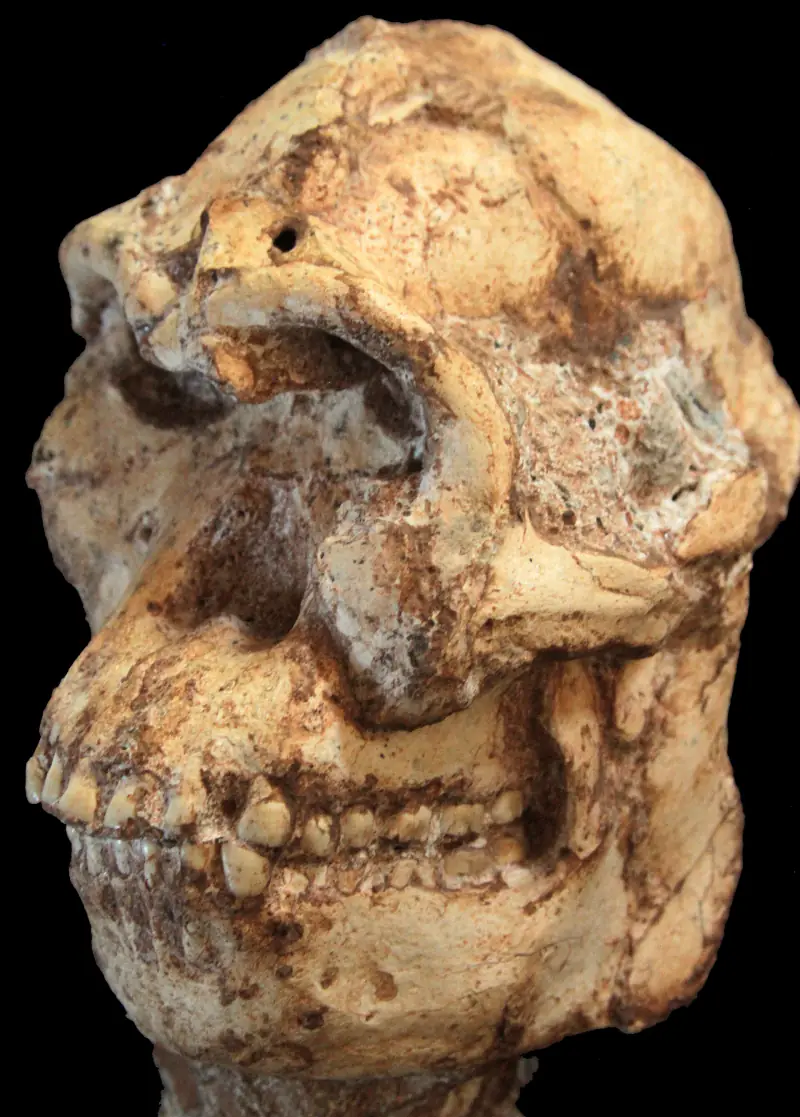
A fossil skull of a child is found in a lime quarry at Taung. Raymond Dart names it Australopithecus africanus and argues that it is a human ancestor.
- 1936
Sterkfontein
Robert Broom finds the first adult Australopithecus at Sterkfontein.
- 1938
Kromdraai
A schoolboy's find leads Broom to Paranthropus robustus, a heavily built relative.
- 1947
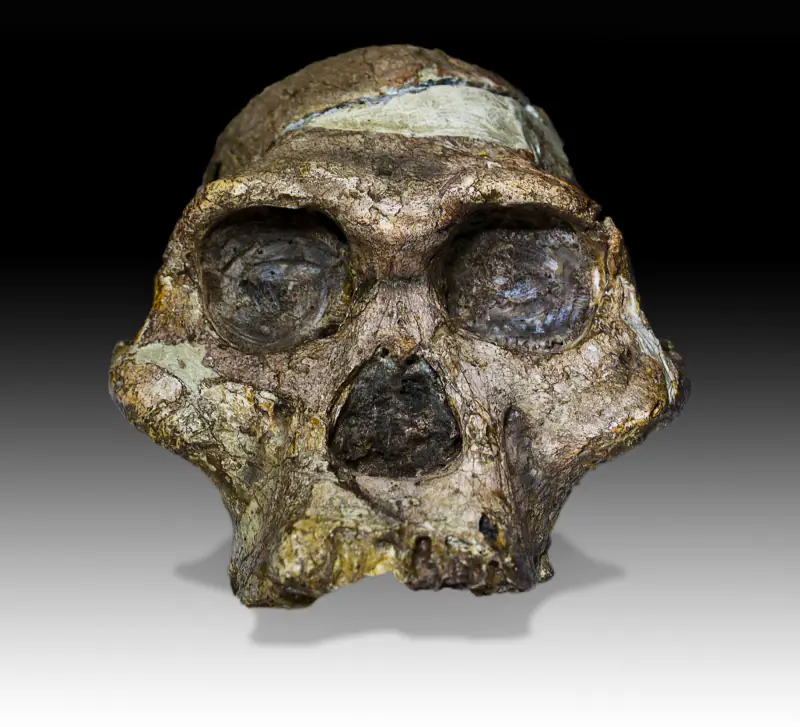
Mrs Ples
A nearly complete skull of Australopithecus africanus is found at Sterkfontein.
- 1994
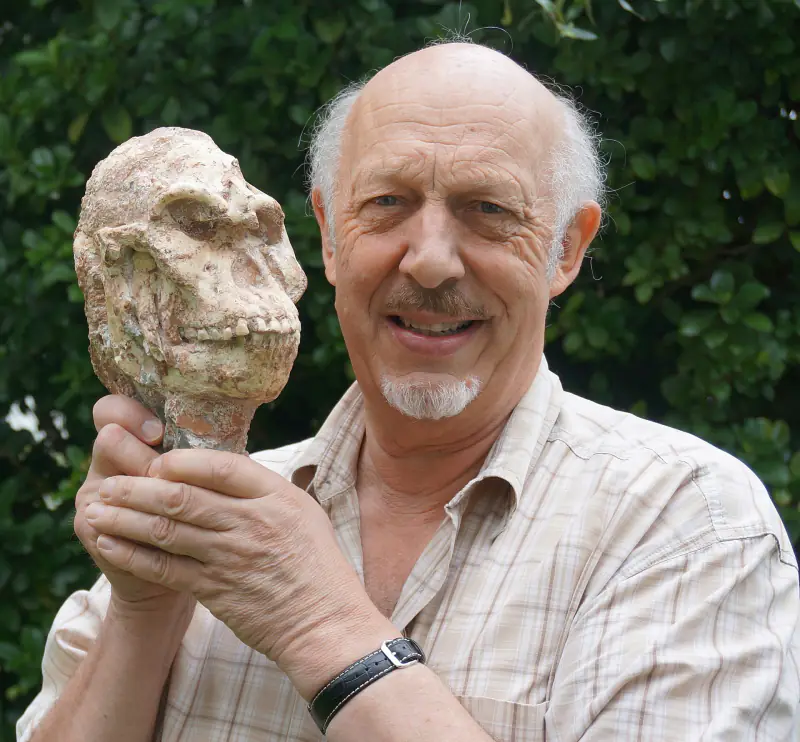
Little Foot
Ron Clarke identifies foot bones that lead to a nearly complete skeleton still in the rock.
- 2008
Malapa
Nine-year-old Matthew Berger finds a bone of what is later named Australopithecus sediba.
- 2013
Rising Star
Cavers find a chamber full of bones. More than 1,500 fossils of a new species, Homo naledi, are recovered.
In pictures
Select a photograph to enlarge it. Authors and licences are listed in the photo credits.